
Allyson Versprille and Mary Schlangenstein for Bloomberg, thanks to Frank Wright
By ALEXANDRA SKORES, Dallas Morning News, thanks to Frank Wright
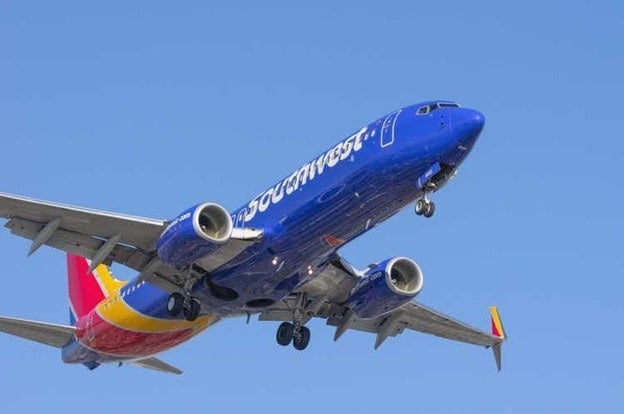
Southwest Airlines ‘Dutch roll’ incident happened after maintenance, NTSB reports
A Southwest Airlines Co. plane that experienced an unusual rolling motion several times during a May flight had undergone regularly scheduled maintenance work two days earlier, US safety investigators said Tuesday. After the May 25 event, a Southwest maintenance crew found structural damage to the plane’s rudder system. The National Transportation Safety Board said it’s still trying to determine when that damage occurred, according to a preliminary report by the agency.
Technicians also found damage to a backup system that helps control rudder movement. That part of the plane had passed tests following the May 23 maintenance work, the last time the system was turned on prior to the May 25 flight, the NTSB said.
Flight 746 experienced what is known as a “Dutch roll,” which involves the plane’s tail rocking from side to side and is named after the motion of a Dutch skating technique. Pilots at first thought the strange motion, which occurred at 34,000 feet on a Boeing Co. Max 737 8, might have been caused by turbulence but determined that wasn’t the case after noticing an unusual movement of the plane’s rudder pedals, according to the NTSB’s report.
The plane departed from Phoenix and landed safety at its destination airport in Oakland. None of the 181 passengers and crew aboard the aircraft were injured. After landing, maintenance crews discovered damage in an area near the plane’s tail, which the NTSB said “adversely affects the structural strength of the fitting and is considered substantial damage.”
After the incident, Southwest inspected its entire Max fleet of 231 aircraft between June 17 and June 20. No damage or anomalies like those found on Flight 746 were discovered, and there haven’t been any findings to date on new deliveries from Boeing, which are inspected, the NTSB said. The Federal Aviation Administration also launched an investigation of the incident. Southwest declined to comment. The agency has said it’s working with both agencies on the probes.
Investor: Carrier ‘out of touch’
Elliott doubles down in second letter to board, renews its call for changes amid recent moves
Elliott Investment Management is strong-arming Dallas-based Southwest Airlines in a new letter to board members calling the airline’s board of directors “out of touch” with the reality of the financial situation the carrier is in.
The letter, signed by John Pike, partner at the firm, and Bobby Xu, an Elliott portfolio manager, points to Southwest lowering its financial expectations for the quarter, the “poison pill” plan announced last week and a new board member Southwest announced Monday. The letter states the actions, specifically the “poison pill” plan “demonstrate how profoundly out of touch Southwest’s board has become with shareholder sentiment and with the reality of the situation.” Ultimately, Elliott is amplifying its argument for change to Southwest’s business practices, many of which have stayed put for the carrier’s over-50-year history, as one of Southwest’s largest stakeholders.
“Quite simply, we are seeking to strengthen oversight, upgrade management and improve company performance,” the letter read. “Preventing shareholders who do not support the company’s failed leadership and oversight from purchasing additional stock reflects exceptionally poor governance and underscores the immediate need for accountability at Southwest. This is the worst kind of governance – a shield for failure and a sword for nothing except the fees of advisers who propose these anti-shareholder devices.”
Last week, Southwest announced a “poison pill plan” also known as a limited-duration shareholder plan to keep shareholders, like Elliott, from taking control of the company with a larger stake. Elliott has previously disclosed a stake worth nearly $2 billion, or 11% of Southwest.
“… [T]he ‘poison pill’ announced on July 3 indicates that this board feels it needs protection from the company’s owners, rather than to earn their support,” read the letter. “It is tantamount to an admission of failure.”
Elliott is not seeking control of the air carrier, according to its latest letter to the board. Since June 10, when Elliott’s initial letter was sent to board members and disclosed its stake, Elliott has been in conversations with shareholders, equity research analysts, industry executives and current and former employees. In the end, it’s standing by its original pitch for Southwest to get new leadership.
“… [I]t is simply untenable for the same board and management team to continue to lead Southwest,” the letter read.
The Dallas-based carrier’s bylaws have a special provision that allows shareholders with large stakes to call for an extraordinary shareholder meeting to vote on directors or other proposals.
‘Good faith efforts’
A Southwest spokesperson reiterated that eight new independent directors have been added to the board in the past three years, including Rakesh Gangwal, who was announced Monday. “Despite Southwest Airlines’ good faith efforts to meet with Elliott to better understand their views, Elliott has focused on personal attacks on our leadership team and board, conditioning any serious discussions on an immediate CEO change,” the spokesperson said in an email. “We remain open to constructive conversations with Elliott, including evaluating additional strong and independent director candidates, as we continue to solicit candid feedback from all shareholders.”
Southwest CEO Bob Jordan has publicly said he will not step down despite the pressures from Elliott. The initial letter from June called on Jordan and Gary Kelly, executive chairman of the board, to leave. According to Elliott, shareholders have weighed in on the need for a change in leadership. One of them was Artisan Partners, another investment management firm, which wrote to the Southwest board stating it holds 10.8 million shares, about a 1.82% stake in the company, back in June. Artisan Partners was greatly in favor of Elliott’s position.
Shareholder survey
Elliott commissioned a shareholder survey where many shareholders weighed in. Most of the published comments call for the removal of Jordan and other management executives at Southwest.
“I would rate them as the worst-performing management team in the airlines. This was a company that has destroyed more value based on their own inaction than anyone else in the industry. They need to go,” a Top 10 active shareholder wrote in the survey.
The letter even draws on concerns from the Southwest Airlines Pilots Association, the union that represents Southwest’s pilots. After the initial letter was published in June, leadership within the union told members it was monitoring the situation. Elliott even goes as far as to seek feedback from current and former employees who are quoted anonymously.
“I’m a retired Southwest captain and I couldn’t agree with you more on the next steps for Southwest…. When I started at Southwest in 1997, it was ‘us against the world!’ Now it’s every man for himself as our famous culture is dying a slow, painful death. I believe it can be fixed, and I’m hoping you and your group can make it happen,” a former employee wrote.
Elliott ultimately reaffirmed its three demands of Southwest: enhance the board, upgrade leadership and undertake a business review, breaking down specific actions the activist investor has already taken.
According to the letter, Elliott has many former airline executives qualified to serve on Southwest’s board. It also said the executive chairman role should be retired and filled with an independent chair from outside the company. It also reiterates the need for an interim CEO in place of Jordan. Jordan became CEO of Southwest in Feb. 2022. Southwest will report its second-quarter results on July 25.