
Dawn Gilbertson & Alison Sider, Wall Street Journal, thanks to Frank Wright
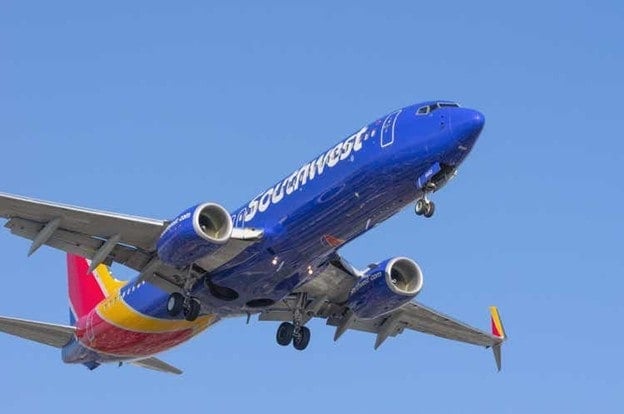
As the carrier weighs seat assignments and extra-legroom seats, some loyalists worry it will become just another airline
Steve Sommer never shops around for flights. The St. Louis resident and pharmacy owner only searches Southwest.com. He likes the airline’s free-checked-bag policy because he travels with golf clubs, and is a fan of its quirky open seating, warts and all. He says assigned seats and other dramatic changes would kill what’s unique about the 53-year-old airline and force him to comparison shop after decades of loyalty. “I think it’s a shame,” he says.
Southwest’s new bid to woo travelers seeking frills – a previously unthinkable effort that’s taken on more urgency with last week’s arrival of an activist investor – promises much-needed revenue. But the airline runs the risk of alienating its superfans.
These frequent fliers love the airline just the way it is, no extra legroom or pampering required, thank you very much. They love Southwest’s simple, egalitarian approach, reliability and employee demeanor. Many are unofficial brand evangelists, talking up Southwest boarding tricks and tips, its credit card and the coveted companion pass. They even stayed true to the airline after its epic holiday travel meltdown in late 2022.
‘It’s like a nice bus’
Don MacQuattie, a retirement-planning executive who lives in St. Petersburg, Fla., flies Southwest at least a few times a month and holds the airline’s highest status, A-List Preferred. He’s used points to take his family on free vacations to Disney and other spots over the years and shares them with family members.
MacQuattie became enamored with the airline’s approach during a case study in business school in the early 1990s. It covered the airline’s early days with co-founder Herb Kelleher, the decision to focus on one plane type, the Boeing 737, and more. He started flying the airline regularly in 2004 and never looked back, even as peers prized upgrades and status on other carriers. “Southwest, you sort of fall in love with,” he says.
Paying extra for fancy seats doesn’t interest him, especially on work trips. He’s happy in an exit row, dubbing it the poor man’s first class. He doesn’t buy the airline’s most expensive offering, Business Select – tickets that put travelers in the prized spots at the front of the boarding line, among other perks. He’s satisfied with the boarding priority his status provides.
“It’s like a nice bus,” he says. “You get on, the people are nice, you sit down and you’re there.”
Gene Head, an executive-search consultant who lives in Birmingham, Ala., flies Southwest about 25 to 30 times a year and has A-List Preferred status and a companion pass, which allows his wife to travel free when he flies. That compares with five or six times a year on Delta, a big player in the Southeast.
“I love the assigned seats. I love Comfort Plus. First class is wonderful,” he says of Delta. The downside is connecting through its massive Atlanta hub, which he says he hates.
With his status and Business Select ticket on Southwest, he gets priority boarding, his pick of seats and flexibility. He travels across the country and says Southwest serves most of his destinations. He raves about the customer service on the phone, at the airport and on the plane.
“It’s not flashy,” he says of the airline. “It’s just stinkin’ dependable.”
Head is reserving judgment on any changes, but says a dramatic jump in Business Select ticket prices might test his loyalty.
More frills = more $$$
J.T. Sink is an Arizona-based corporate pilot who flies Southwest to and from charter assignments. He worries that pressure from activist investor Elliott Investment Management will force his favorite airline to “fix something that ain’t broke.”
The firm last week called for the ouster of Southwest Chief Executive Bob Jordan and an overhaul of the board of directors. It called the airline stuck in the past as other airlines cash in on travelers’ willingness to pay for extras.
There’s a lot of money on the table: Raymond James analysts last week estimated that seat assignments, basic economy and premium-seating options could add as much as $3.4 billion to 2025 earnings. Southwest executives have said bag fees are out of the question because nearly half of its travelers book the airline due to its policy of letting fliers check their first two bags at no cost. The airline had announced plans to study things like assigned seating in late April, before Elliott disclosed its $1.9 billion investment. Jordan has said he has no plans to resign.
The airline is in the midst of what it calls its most serious study of how customers want to board and sit on its planes. The efforts include simulations and surveys. Southwest has provided few details, but executives have said there will be nothing like a first-class curtain. Sink says a big part of Southwest’s current charm is that everyone gets treated equally. He jokes that there’s no “double secret diamond platinum boarding” group like you see at other airlines.
“If you’re not a person who can deal with one class, then maybe you shouldn’t be flying Southwest,” he says.
His wish for the airline as it weighs changing its business model: Don’t assume everyone wants frills.
“Recognize what makes its fans so loyal and try to improve on those things